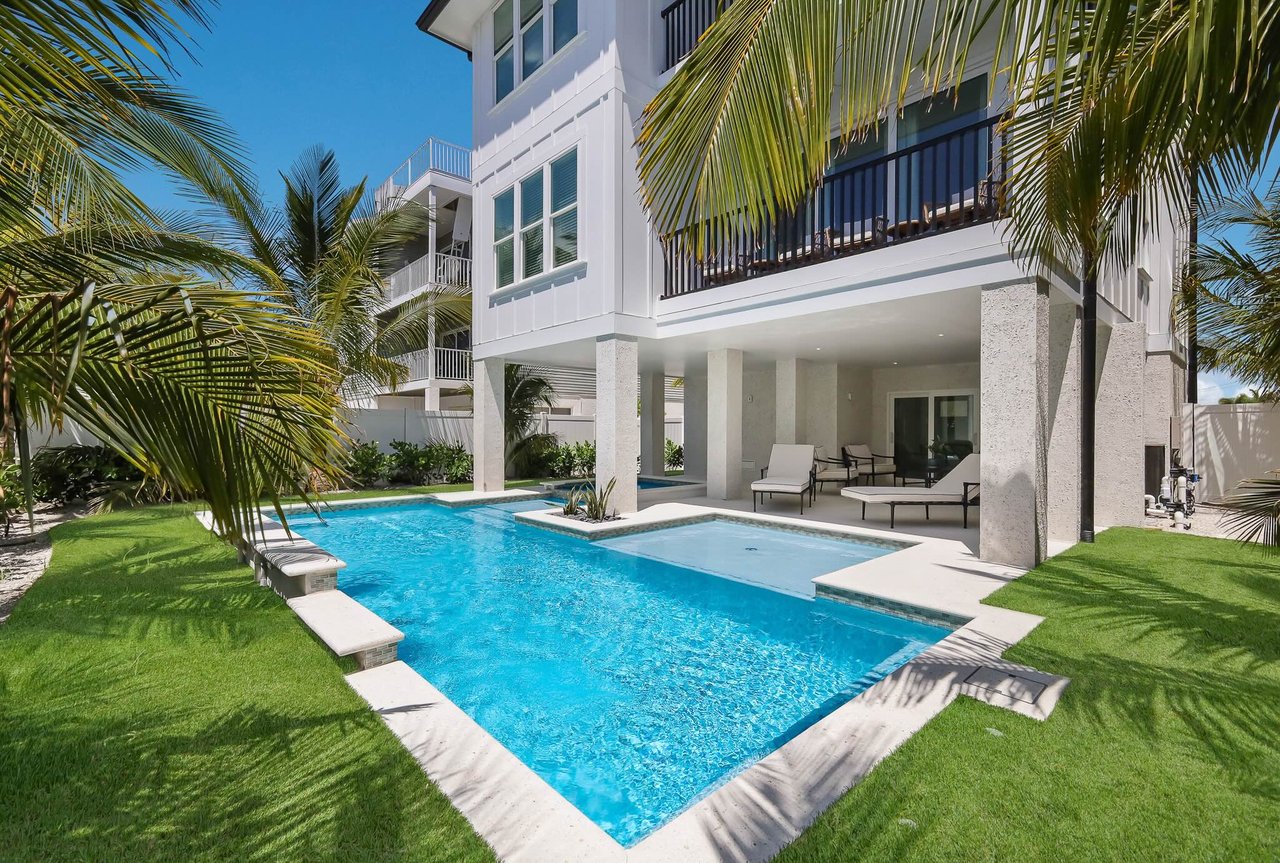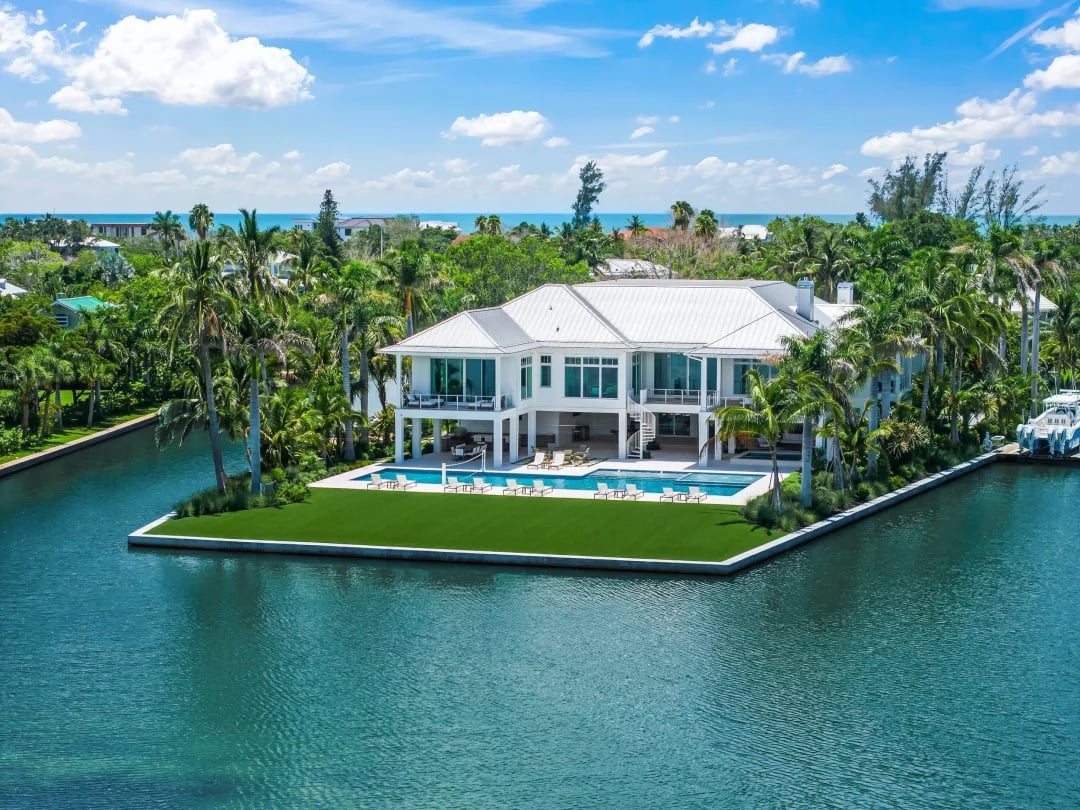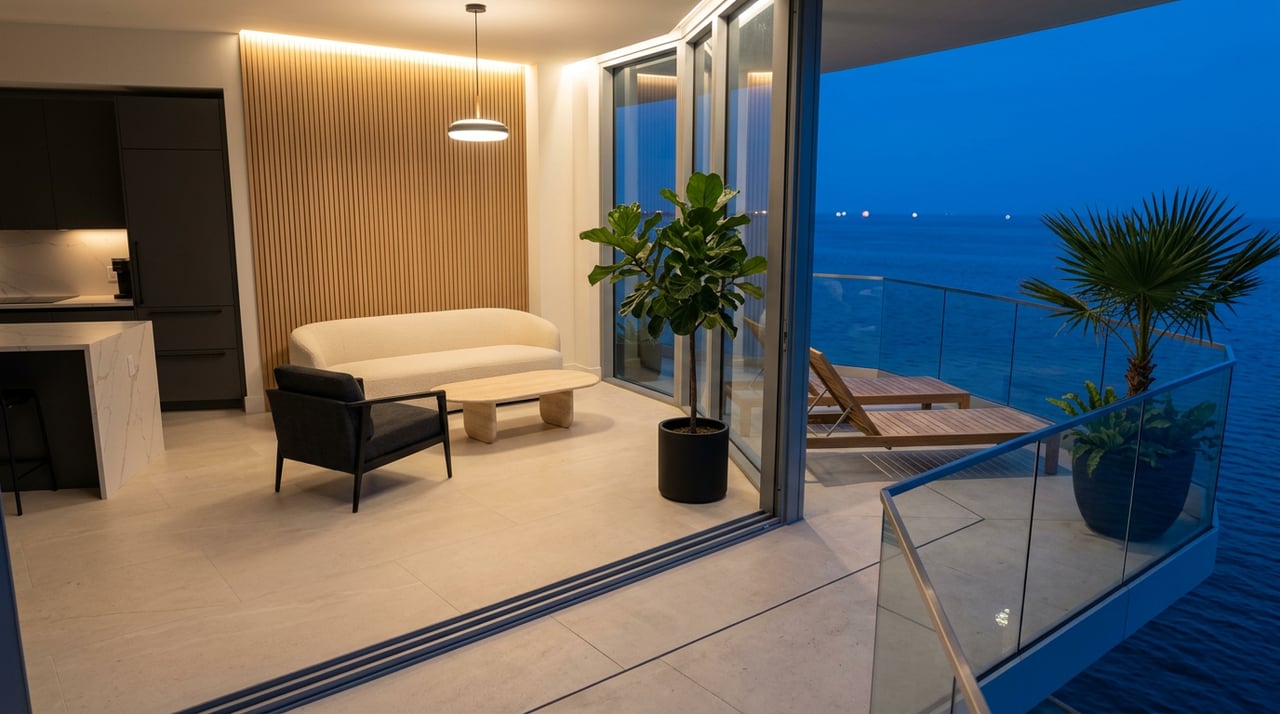
Imagine waking up to Sarasota Bay glimmering outside your window and your favorite cafe a short stroll away. If you are an empty nester ready to simplify, a downtown waterfront condo in 34236 puts culture, dining, and boating right at your doorstep. In this guide, you will learn what life looks like in these buildings, how to compare options, and the key due diligence that protects your budget and peace of mind. Let’s dive in.
Why 34236 works for empty nesters
Walkability and culture
Downtown Sarasota gives you a city feel in a compact area anchored by Main Street, Palm Avenue, and the bayfront. Many central addresses score in the Very Walkable range, so most errands can be done on foot, though walkability is address specific. You can confirm this with Walk Score findings that show a strong walkability core in 34236. Check how a block or two changes results before you pick a building by reviewing the area’s walkability data on Walk Score.
Marina and bayfront access
The bayfront is a daily draw. Bayfront Park, the downtown marina, and nearby dining give you easy water access without the maintenance of a single-family dock. If boating is part of your plan, review slip availability and fees at Marina Jack. Some buildings offer deeded or assigned slips, while others rely on the marina’s annual or transient options.
Arts, events, and recent changes
Downtown’s cultural anchors include the Sarasota Opera House, the Van Wezel Performing Arts Hall, and Marie Selby Botanical Gardens. The mix of venues puts concerts, exhibits, and performances within minutes of most condo addresses. Note that elements of the Mote Marine Laboratory public aquarium program relocated to a new facility in 2024–2025, which shifted some waterfront attractions and foot-traffic patterns. You can read about the move in AP News coverage.
What condo living looks like here
Building types you will see
- Full-service high-rises. Newer luxury towers emphasize glassy facades, concierge service, secure garage parking, and resort-style amenities. Buildings like The VUE and towers at the Quay illustrate this turnkey, view-forward lifestyle.
- Mid-rise and boutique condos. These buildings often include a pool, fitness room, storage, and a single-elevator core. They balance amenities with manageable fees and central locations.
- Established bayfront towers. Older towers from the 1970s–1990s can deliver larger floor plates and classic layouts. Some have lower baseline dues but may require periodic concrete, balcony, or exterior projects as part of responsible upkeep.
Floor plans that fit your life
- One-bedroom plans. Commonly about 700 to 1,100 square feet. These work well if you want minimal upkeep and plan to host guests in short spurts.
- Two-bedroom plans. A popular downsizer choice, often around 1,000 to 1,900 square feet with split bedrooms and open living areas.
- Larger residences. High-end waterfront towers can offer 1,600 to 3,000-plus square feet in two or three bedrooms, often with large terraces for bay or city views.
These sizes matter because you get single-level living and easier maintenance. If you want space to host family, larger two- or three-bedroom plans still keep condo life simple.
Amenities that simplify life
Expect conveniences that support travel and everyday ease. Common features include a staffed lobby or concierge, secure parking, resident lounges, resort-style pools, fitness centers, and package rooms. Many buildings add guest suites, climate-controlled storage, and pet areas. If boating is important, ask early about on-site slips, nearby marina options, and any waitlists.
Costs, risks, and what to check
HOA dues and what they cover
Monthly HOA dues vary by building age, size, and amenity level. Boutique buildings may be in the hundreds per month. Full-service towers commonly range from about 600 to 1,800-plus per month, and some luxury bayfront properties can be higher. Dues often cover the master insurance policy for the building, common-area maintenance, on-site staff, pools and fitness, elevators, and sometimes water and cable. Waterfront buildings can see higher costs for seawalls, salt-air exposure, and marina upkeep. Review the official budget and the last two to three years of financials so you know exactly what is included.
Insurance must-knows
Florida condo associations use different master policy structures that impact your personal policy needs. A master policy might be bare walls, walls-in, or all-in, and each option changes what your HO-6 policy must cover. Loss assessment coverage on your HO-6 is especially important in Florida because hurricane deductibles are often percentage based. Ask the association for the policy declarations page and the hurricane/wind deductible amount. For a useful primer on master vs HO-6 coverage, see this guide from Florida Risk Partners. You can also review HO-6 basics in NerdWallet’s condo insurance guide.
Flood zones and updated maps
Flood is usually not covered by the association’s master policy. If your unit or building lies in a Special Flood Hazard Area, a flood policy is typically required. Request the FEMA flood zone, any available elevation certificate, and a flood quote early in the process. The City of Sarasota’s FIRM panels were updated in March 2024, so confirm the current map info for the exact address using the city’s flood and map information page.
Florida structural rules you must review
Florida requires periodic milestone structural inspections and a Structural Integrity Reserve Study for covered buildings that are three or more stories. Associations and sellers must disclose findings in specified situations. Ask whether the building has completed its milestone and SIRS, then review the reports, meeting minutes, and reserve budgets for any required repairs and the plan to fund them. You can learn more about the rules in the state’s DBPR condominium FAQs.
Financing and project review
If you plan to finance, your lender will review the condo project for eligibility. Items like owner-occupancy ratios, reserve funding, and any pending litigation can affect loan options and timelines. Ask your lender early to run project eligibility so you know if a full review, single-unit approval, or a different path is needed. You can see what a project review covers in Fannie Mae’s full review process.
Downtown vs islands vs suburbs
Quick decision guide
- Downtown 34236. Choose this if you value walkability, dining, cultural venues, and easy access to Bayfront Park and the marina. Building options range from boutique to luxury towers with a mix of dues and construction ages.
- Barrier islands. Lido, Siesta, and Longboat focus on a beach-first lifestyle. Expect more direct Gulf exposure and seasonal visitor peaks. Maintenance and insurance can be higher on some parcels due to salt, wind, and surge exposure.
- Suburban communities. Master-planned areas like Palmer Ranch, Lakewood Ranch, and Wellen Park often provide maintenance-assisted living and active social calendars. You trade some walkability and city culture for more space and a different pace.
Your best fit comes down to daily routine. If restaurants, shows, and short errands matter most, downtown makes life easy. If the beach is the priority, the islands win. If you want more space and community programming, consider the suburbs.
Your early due diligence checklist
Use this list as soon as you get serious about a building or unit.
- Association estoppel certificate showing current dues and any special assessments. Florida sets timelines and allowable fees for estoppels. Review the statute for context in Chapter 718.116.
- Current operating budget and most recent audited financials. Ask for the latest reserve study and confirm percent funded.
- Master insurance declarations page for the association. Note coverage scope and hurricane/wind deductible.
- Board meeting minutes for the last 12 to 24 months. Look for projects, bids, or pending assessments.
- Milestone inspection and SIRS reports, plus repair scopes and funding plans if applicable.
- FEMA flood zone and any elevation certificate. Get a unit-specific flood quote.
- Use rules that matter to you. Review rental limits, pet policies, parking assignments, and deeded storage.
- Lender project review requirements. Ask your lender to run eligibility checks early.
Timing and negotiation tips
- Order estoppel and insurance documents right after you go under contract. These items take time and your lender and title company will need them.
- Request quotes for your HO-6 policy and flood insurance before you finalize an offer. Premiums vary by building age, elevation, and floor level.
- Confirm milestone and SIRS status for any building that is three or more stories before you waive inspection contingencies. Newly identified structural work can change timelines and costs.
Ready to find your condo?
If a walkable, bayfront lifestyle sounds like your next chapter, let’s make a plan around your budget, must-have amenities, and comfort level with HOA, insurance, and flood factors. I will help you compare buildings, request the right documents early, and coordinate with local lenders and insurers so you can move with confidence. When you are ready, connect with Tyler Hahne to schedule a consultation.
FAQs
What makes downtown Sarasota 34236 attractive to empty nesters?
- You get a compact, walkable core with dining, cultural venues, and the bayfront within minutes, plus easy access to Marina Jack for boating and Bayfront Park for daily recreation.
How walkable is the downtown Sarasota condo area?
- Many central addresses score in the Very Walkable range, but results vary by block. Check a specific address using Walk Score’s downtown Sarasota map to confirm daily errands on foot.
Do I need flood insurance for a downtown Sarasota condo?
- It depends on the building’s FEMA flood zone and elevation. Many bayfront addresses require flood coverage. Verify the zone and map changes using the City of Sarasota’s flood information page.
What should I know about condo HOA fees in 34236?
- Dues vary widely by building and amenities. Full-service towers often range from about 600 to 1,800-plus per month and can include master insurance, staffing, and utilities. Review budgets and financials before you decide.
How do Florida’s milestone inspections and SIRS affect me as a buyer?
- For buildings three or more stories, these reports identify structural needs and reserve planning. Ask for copies and check how repairs will be funded. Findings can impact assessments, timelines, and financing.
Can I get a mortgage on a downtown Sarasota condo?
- Yes, but lenders review the project for eligibility. Owner-occupancy, reserves, and litigation can affect loan types and timelines. Have your lender run a project review early to avoid delays.