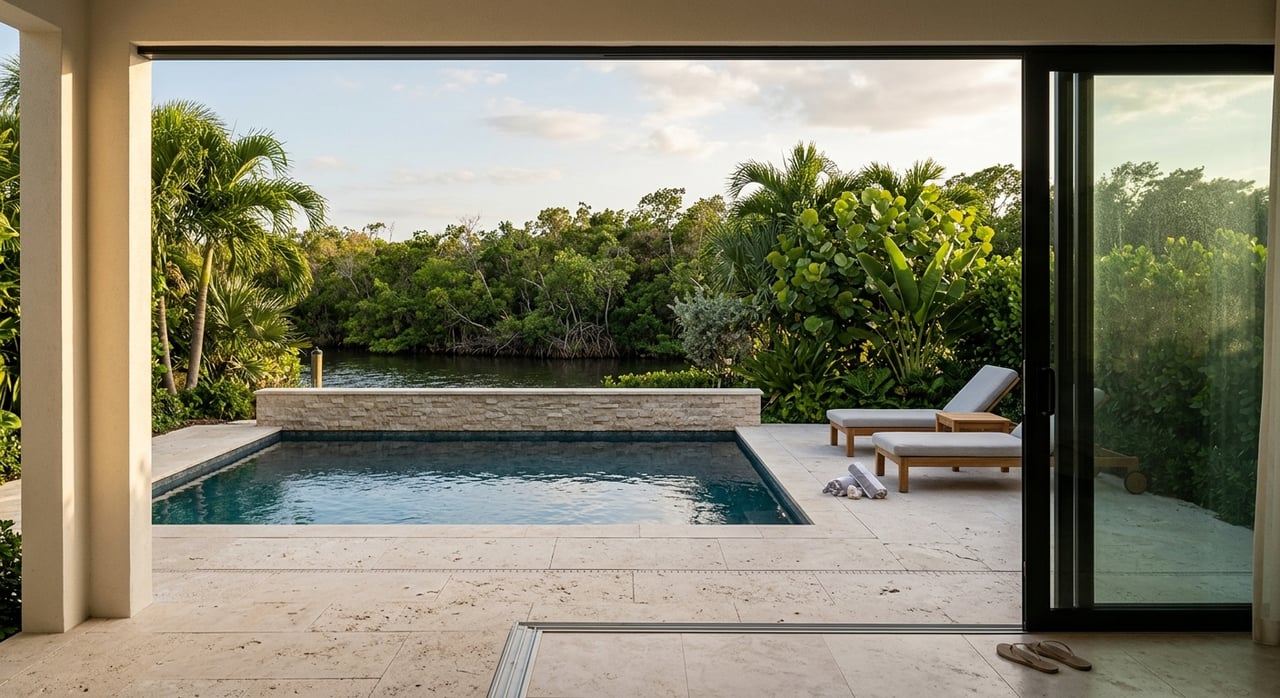
Dreaming about a place where your winter mornings start with sea air, beach walks, and a simpler routine? A second home on Longboat Key can deliver that coastal lifestyle, but buying here takes more than finding a beautiful property. You need to understand how seasonality, condo rules, insurance, flood risk, and local rental standards can shape your ownership experience. This guide will help you think through the big decisions so you can buy with more clarity and confidence. Let’s dive in.
Why Longboat Key Appeals to Second-Home Buyers
Longboat Key stands out as a true coastal second-home market. The town’s 2024 planning data describe it as both a resort destination and a second-home community, with about 57.1% of housing seasonally occupied and 42.9% occupied year-round.
That matters because you are not buying into a purely full-time residential setting. You are buying into a place with a strong seasonal rhythm, where ownership patterns, building types, and lifestyle expectations often reflect part-time use.
Longboat Key also offers a housing mix that fits different second-home goals. About 66% of residential development is multifamily, while roughly 31.4% is single-family, which means condo living is a major part of the local market.
Understand the Island’s Seasonal Rhythm
Before you buy, it helps to picture how Longboat Key lives throughout the year. The town reports that the winter population can rise to about 24,000, and the typical season has historically run from roughly November through April.
If you plan to use your home during peak season, expect a busier island experience. Traffic, beach use, restaurant demand, and service availability can feel very different in season than they do in quieter months.
Gulf of Mexico Drive is the town’s main roadway, and Longboat Key planning data note that it sees significant seasonal traffic volumes. For a second-home buyer, that can affect how you think about drive times, access, and day-to-day convenience.
Visit at Different Times
One of the smartest ways to evaluate a second home here is to spend time on the island in more than one season. A property that feels perfectly peaceful in summer may feel very different during winter’s higher activity levels.
If possible, compare your likely ownership months with your preferred lifestyle. That can help you decide whether you want easier lock-and-leave living, walkability to certain amenities, or a home with more privacy and space.
Condo or Single-Family: Which Fits Better?
For many second-home buyers, the condo versus single-family question is the biggest early decision. On Longboat Key, it is especially important because condos make up such a large share of the housing stock.
A condo can be a strong fit if you want a lower-maintenance ownership pattern. Under Florida condominium law, common-element maintenance is handled by the association, which can reduce the amount of exterior upkeep that falls directly on you.
A detached home may give you more privacy, land, or flexibility, but it usually brings more direct responsibility. Exterior maintenance, storm preparation, and renovation planning often land more squarely on the owner.
What to Review for a Condo
If you are considering a condo, ask for the full set of governing and financial documents early. Florida law provides for delivery and review of important condominium materials, including the declaration, bylaws, rules, and current financial and budget documents.
Those documents matter even more on Longboat Key because much of the condo inventory is older. Most homes on the island were built between 1970 and 1999, so association budgeting, reserve funding, and repair planning can have a real impact on your long-term costs.
For residential condo buildings that are three habitable stories or higher, current Florida law requires milestone inspections and recurring structural integrity reserve studies. In practical terms, that means you should pay close attention to reserve studies, maintenance history, and any possibility of special assessments.
What to Review for a Single-Family Home
A single-family home can offer a more independent ownership experience, but due diligence is still key. Longboat Key’s building division notes that the town enforces the statewide building code, requires permits for certain work, and requires contractor registration.
If you are thinking about updates after closing, make renovation planning part of your buying decision. This is especially relevant on Longboat Key, where new construction often happens through replacement of aging structures rather than large new neighborhoods.
Coastal Due Diligence Matters More Here
On a barrier island, coastal due diligence is not just a box to check. It is a core part of making a smart second-home purchase.
Longboat Key’s comprehensive plan says the town is highly vulnerable to coastal erosion, coastal flooding, and tropical storms and hurricanes. It also notes that Gulf-front properties are generally within the Coastal High Hazard Area.
That means you should evaluate a home not only for looks and layout, but also for resilience. Roof condition, opening protection, drainage, elevation, and storm-readiness deserve real attention before you commit.
Flood Risk and Elevation
Longboat Key provides a flood-risk and elevation-certificate search tool, and the town participates in the National Flood Insurance Program and Community Rating System. The town also states that compliance with minimum flood elevations and building-material requirements helps lower flood-insurance rates town-wide.
For you as a buyer, that means flood-zone details and elevation information are highly relevant early in the process. They can affect insurance costs, lender requirements, and your comfort level with the property.
Insurance Planning
Insurance should be part of your second-home budget from the start. Standard homeowners insurance does not cover flood damage, and flood insurance may be required by a lender depending on the property’s location.
Florida’s insurance regulator also notes that insurers must offer wind-mitigation discounts for qualifying protective features. Because of Longboat Key’s exposure to storms, features like roof condition and storm protection can influence both insurability and ongoing cost.
Hurricane Season Timing
The Atlantic hurricane season runs from June 1 through November 30. If you are buying on Longboat Key, it is practical to complete insurance, inspection, and emergency-planning conversations before the season is underway.
That timeline can be especially helpful for second-home owners who live out of state. You want to know who will help you prepare the home, respond if needed, and keep an eye on the property when you are away.
Know the Rules If You Plan to Rent It
Some buyers hope to offset costs by renting their second home part-time. On Longboat Key, that plan needs careful review because the town is not a typical short-term-rental market.
The town says residentially zoned properties generally require a minimum rental period of 30 consecutive days unless they are grandfathered or located in a tourism-zoned district. Rentals under six months require registration, and advertisements must include the rental certificate number.
This is a major point to understand before you buy. If rental flexibility is important to you, the property’s zoning, rental history, and legal use should be reviewed before you move forward.
Financing Can Change Based on Use
If you are financing the purchase, your intended use matters. Lenders may distinguish between a true second home and an investment property, which can affect underwriting standards and reserve requirements.
That is why it helps to be clear from the beginning about how you plan to use the property. A home meant primarily for your own seasonal use may be treated differently than one bought mainly for rental income.
Tax and Closing Details to Keep in Mind
A second home on Longboat Key also comes with a few practical ownership details that are easy to overlook. These items may not be as exciting as views or floor plans, but they can affect your costs and timeline.
Florida’s homestead exemption applies to a permanent residence, not a second home. The Florida Department of Revenue says eligibility is determined by the property appraiser, and the key standard is whether the owner makes the property a permanent residence.
Because Longboat Key spans both Manatee and Sarasota counties, the correct property appraiser depends on the parcel. That county split is important anytime you are reviewing ownership records or tax-related details.
Remote Closings Are Easier Than Before
Many Longboat Key buyers live elsewhere for part of the year. Florida authorizes online notarization, and the validity of an online notarization is determined under Florida law regardless of where the signer is physically located.
In practical terms, that can make remote closings much easier for out-of-state or international buyers. If the rest of the transaction is organized well, you may not need to be in Florida to complete every final signing step.
Think About Lifestyle Along With Logistics
A second home should support the way you actually want to live. On Longboat Key, that means balancing the dream of coastal ownership with the realities of maintenance, weather exposure, seasonality, and access.
The town notes convenient access to Sarasota-Bradenton International Airport and Tampa International Airport, which supports travel for seasonal owners. If you plan to come and go often, that accessibility can be a meaningful part of the property’s value to you.
If you are looking at Gulf-front property, there is one more seasonal detail to know. From May 1 through October 31, the town’s turtle-nesting rules ask owners to turn off or block lights visible from the beach and remove beach furniture and recreational equipment daily.
That may be a small adjustment, but it is a good example of how coastal ownership includes practical responsibilities along with the lifestyle benefits. The right home is not just attractive. It fits your routine, your travel patterns, and your comfort with upkeep.
A Smart Longboat Key Buying Strategy
The best second-home purchases usually come from matching the property type to your real goals. If you want easy ownership and fewer day-to-day responsibilities, a well-vetted condo may be the better fit. If you want more autonomy, exterior space, or a custom long-term vision, a single-family home may make more sense.
Either way, the details matter on Longboat Key. Seasonality, association documents, flood considerations, insurance planning, rental rules, and local property conditions should all be part of your decision.
When you approach the process with a clear plan, you can enjoy the lifestyle that brought you here in the first place while reducing surprises after closing. If you want help narrowing down the right fit on Longboat Key, Tyler Hahne can guide you through the market with a practical, local perspective.
FAQs
What makes Longboat Key different for second-home buyers?
- Longboat Key is a well-established seasonal and second-home community, with about 57.1% of housing seasonally occupied, so buying here often means planning around seasonal traffic, service patterns, and part-time ownership needs.
What should you review before buying a Longboat Key condo?
- You should review the declaration, bylaws, rules, budget, and current financial documents, plus any milestone-inspection or structural reserve information if the building is three habitable stories or higher.
What flood and insurance issues matter on Longboat Key?
- Flood risk, elevation, roof condition, opening protection, and drainage all matter because Longboat Key is vulnerable to coastal flooding and storms, and standard homeowners insurance does not cover flood damage.
Can you rent out a second home on Longboat Key?
- In many residentially zoned properties, rentals generally must be at least 30 consecutive days unless the property is grandfathered or in a tourism-zoned district, and rentals under six months require registration.
Does a Longboat Key second home qualify for Florida homestead exemption?
- No. Florida’s homestead exemption applies to a permanent residence, not a second home, and eligibility is determined by the applicable county property appraiser.
Can you close remotely on a Longboat Key property?
- Yes. Florida authorizes online notarization, which can help out-of-state or international buyers complete a remote closing more easily.