Do you love clean lines, big windows, and easy indoor‑outdoor living? If Southgate in Sarasota’s 34239 is on your radar, you’re in the right place. These mid‑century homes blend Florida‑savvy design with relaxed lifestyle perks a short drive from beaches and downtown. In this guide, you’ll learn the key architectural features, common floor plans, smart updates buyers make, and what day‑to‑day life feels like here. Let’s dive in.
What makes Southgate unique
Southgate is an established mid‑century neighborhood with a mix of preserved and thoughtfully updated homes. The area reflects Sarasota’s broader architectural legacy, including influences from the Sarasota School of Architecture. Designs prioritize cross‑ventilation, shade, and a strong connection between indoor and outdoor spaces. Mature landscaping and single‑story living add to the appeal for many buyers.
Exterior character you’ll notice
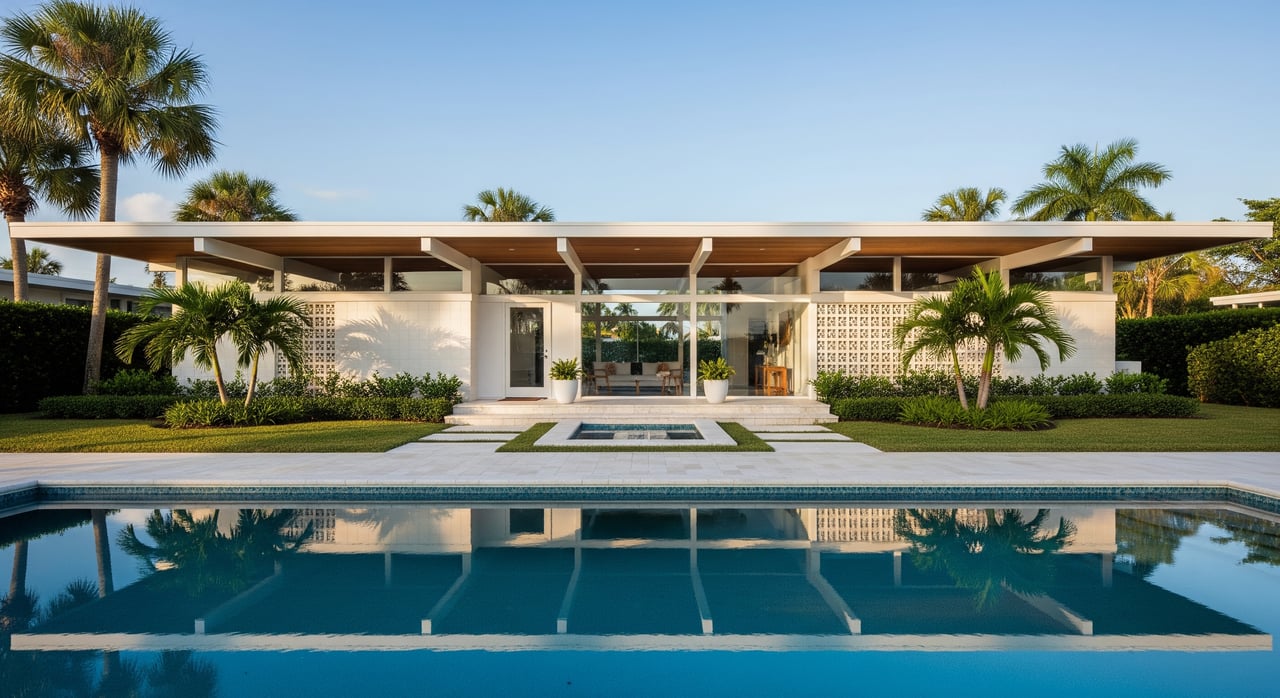
- Single‑story profiles with low‑sloped or flat roofs and wide overhangs for shade.
- Clean, horizontal lines with minimal ornamentation and asymmetry.
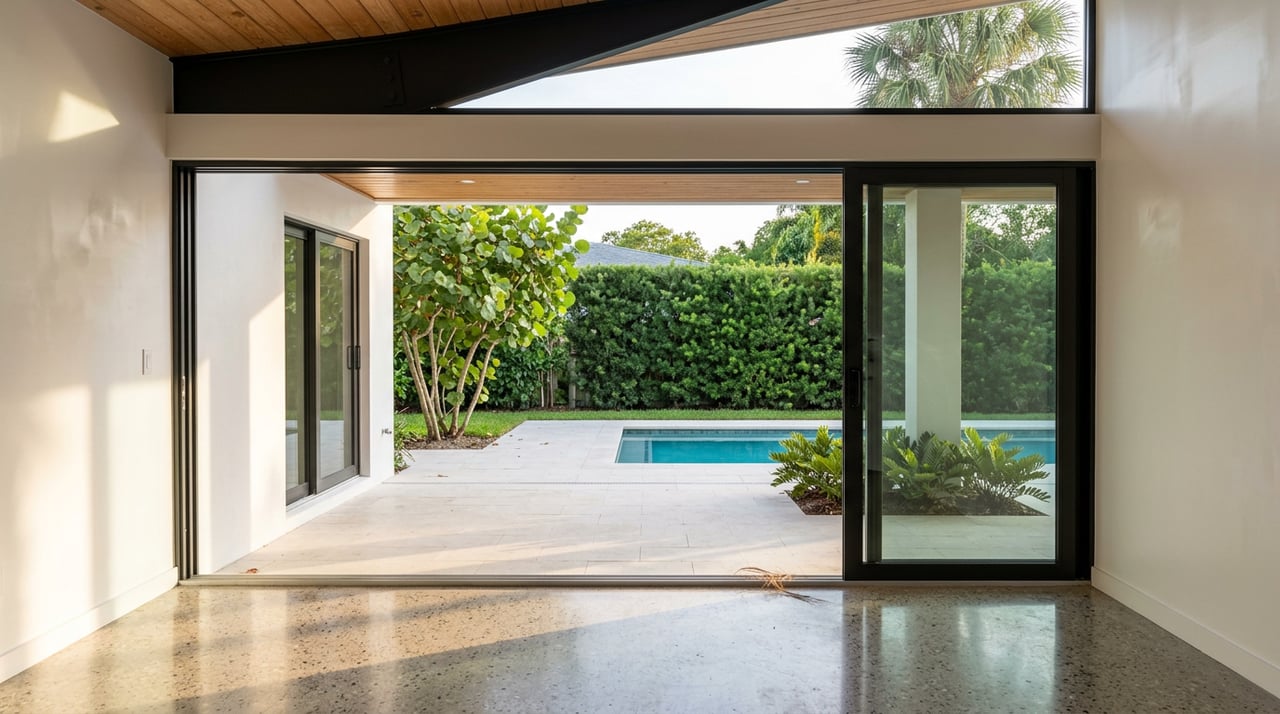
- Large picture windows, sliding glass doors, and clerestory windows that invite light.
- Carports are common on older plans, sometimes paired with breezeways.
- Concrete block or wood frame construction with stucco or painted block finishes.
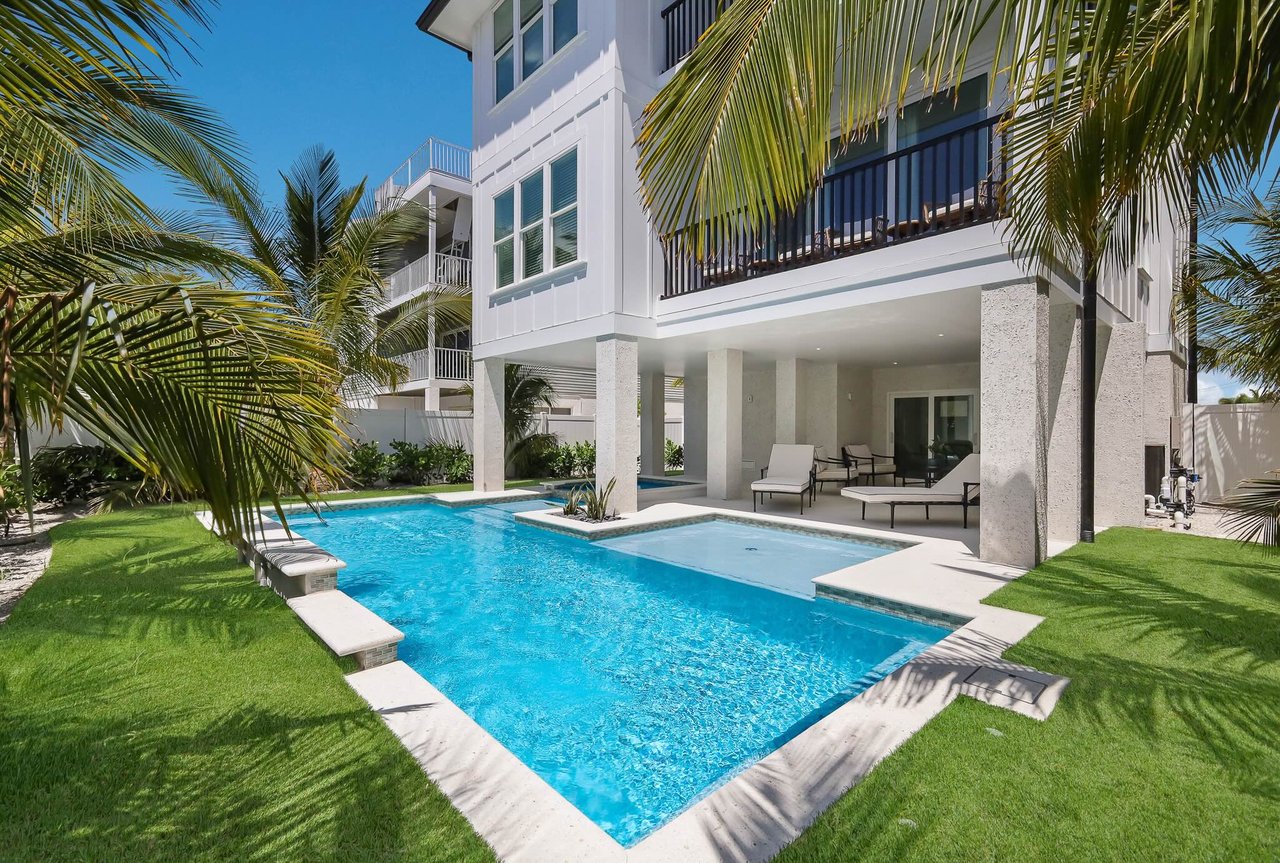
- Integrated outdoor areas like screened lanais, patios, and backyard pools.
- Tropical plantings, privacy hedges, and mature trees that create a settled feel.
Interior details buyers love
- Open sightlines and informal layouts compared with earlier eras.
- Living, dining, and kitchen zones that connect, with some homes keeping a separate formal room.
- Built‑in cabinetry and simple trim; higher‑style examples can show exposed structure.
- Original finishes that may remain: terrazzo or ceramic tile floors, tongue‑and‑groove wood ceilings, and wood paneling.
- Modest kitchens and closets by today’s standards, plus one or two bathrooms.
Typical floor plans
Most Southgate homes are single‑story ranches on slab foundations. You’ll see simple rectangular or L‑shaped layouts oriented toward the backyard or pool. Compact three‑bedroom plans with 2–3 bedrooms and 1–2 baths are common, often ranging from about 900 to 1,800 square feet in classic examples. Split plans that separate bedrooms from living areas are also typical and help airflow and privacy.
Room flow highlights
- Living and dining areas often sit side by side with a view to the backyard.
- Kitchens were designed to be efficient; many buyers open them to the living area.
- Bedrooms run along a hallway or form a quiet wing; the primary suite may be modest and sometimes lacks an en suite bath.
- Utility spaces sit near the kitchen or carport, with mechanicals tucked into closets or the attic where present.
Update potential in the layout
- Remove non‑structural walls to create an open kitchen and better circulation.
- Expand the connection to the lanai or pool with wider sliders.
- Convert a carport to a garage or conditioned space if permitted and structurally feasible.
- Add or enlarge a screened lanai to increase living space without changing the interior footprint.
Day‑to‑day living in 34239
Life here is about light and outdoor access. Large windows and sliding doors create morning brightness and easy flow to the lanai for coffee or dinner by the pool. The neighborhood offers proximity to beaches like Siesta Key and Lido, downtown Sarasota, shopping, and medical services, which supports an active daily rhythm. Many streets have a mature canopy, so yard care and storm prep are part of the routine.
Parking is often in a carport rather than a garage on older homes, so storage planning helps. Lot sizes vary across Southgate, and trees can influence maintenance and shade. Some subdivisions have deed restrictions while others do not, so check each property’s status if rules matter to you. Commute corridors are convenient, which can make quick trips across town easier.
Common updates buyers make
When you modernize a mid‑century home, you can improve comfort and resilience while keeping the character you love. Many buyers prioritize systems, storm readiness, and smart floor‑plan tweaks ahead of cosmetic changes. It helps to plan updates in phases so you address safety and structure first, then finish with style.
Systems and safety first
- Upgrade HVAC for Florida heat, including ductwork or well‑placed mini‑splits.
- Replace older windows and doors with impact‑rated options to improve protection and efficiency.
- Inspect the roof for age and fastener corrosion; replace to current code and add hurricane straps where needed.
- Evaluate electrical service for modern panels and grounded outlets; address aluminum wiring if present.
- Check plumbing for galvanized or polybutylene and plan replacements where necessary.
- Assess slabs for cracking or settlement and improve drainage and moisture control.
Kitchen, bath, and storage
- Open the kitchen to living areas and consider a functional island.
- Update fixtures and finishes while maintaining clean, simple lines.
- Add an en suite bath or expand closet space if the layout allows.
- Keep finishes easy to maintain in a humid climate.
Outdoor living upgrades
- Refresh or add a screened lanai to extend daily living space.
- Update pool equipment and plumbing for efficiency and reliability.
- Install an outdoor kitchen or shaded patio for year‑round use.
- Improve landscaping for privacy, sun control, and drainage.
Preserve the character you love
- Restore terrazzo or protect original wood ceilings where feasible.
- Keep clerestory windows and signature openings that define the style.
- Match mid‑century materials and proportions when making repairs.
- Document original details to support long‑term appeal.
Permits and practical constraints
Most substantial work requires permits, including structural changes, electrical and plumbing updates, roof replacements, and carport conversions. Flood zones and stormwater rules can affect project scope, even outside of high‑risk coastal areas. If a home lies within a historic or design review area, exterior changes may need additional approvals. Always hire licensed and insured Florida contractors, especially for roofing, pools, and major trades.
Carport conversions to garages or living space need structural review and may trigger elevation or impervious‑surface considerations. Impact windows are a common upgrade and sometimes expected by insurers. Many older roofs are at or near the end of their service life, so plan for replacement to current standards. Insulation improvements can make a significant difference since many mid‑century homes were built with minimal thermal barriers.
Buyer checklist
- Verify year built and lot size through official property records.
- Request maintenance records for the roof, HVAC, pool, and any structural repairs.
- Book a full home inspection with experience in older Florida slab construction.
- Add a licensed pest and termite inspection plus a dedicated pool inspection.
- Confirm whether windows and doors are impact rated; discuss insurance implications.
- Review flood maps and any available elevation certificates for the property.
- Ask about aluminum wiring, polybutylene plumbing, and original electrical service.
- Seek bids for big‑ticket items before closing so you can prioritize wisely.
- If original finishes matter to you, consult specialists about terrazzo refinishing or wood‑ceiling care.
- Check HOA or deed restrictions for any property‑specific rules.
How I help you buy in Southgate
You want a home that feels right on day one and improves over time. I guide you through the architecture, the layout potential, and the practical realities of Florida systems so you can buy with clarity. I coordinate trusted local inspectors and contractors, help you prioritize upgrades, and share curated listings that fit your lifestyle and budget.
If you are relocating, I make orientation simple with neighborhood insights and a clear plan from first tour to closing. Whether you want preserved mid‑century character or a move‑in update, I bring a client‑first, responsive approach backed by modern tools. Ready to take the next step in 34239? Let’s talk.
Connect with Tyler Hahne to explore Southgate’s mid‑century homes and schedule a consultation.
FAQs
What defines Southgate’s mid‑century style?
- Expect single‑story profiles, wide roof overhangs, large windows and sliders, indoor‑outdoor flow, and simple finishes like terrazzo and wood ceilings.
How big are these homes on average?
- Classic examples commonly run about 900 to 1,800 square feet with 2–3 bedrooms and 1–2 baths, though sizes vary by lot and plan.
Are Southgate homes in flood zones?
- Some are and some are not; always review flood maps and ask for any available elevation certificates to understand risk and requirements.
Which updates matter most for insurance and comfort?
- Impact windows and doors, a code‑compliant roof with proper strapping, modern electrical service, updated plumbing, and efficient HVAC are typically top priorities.
Do most homes have HOAs or deed restrictions?
- It varies by subdivision; confirm the presence and scope of any restrictions for each specific property during your review period.
Can I convert a carport to a garage or living space?
- Often possible with permits and structural review; confirm local requirements, flood considerations, and how the change affects site coverage before planning.