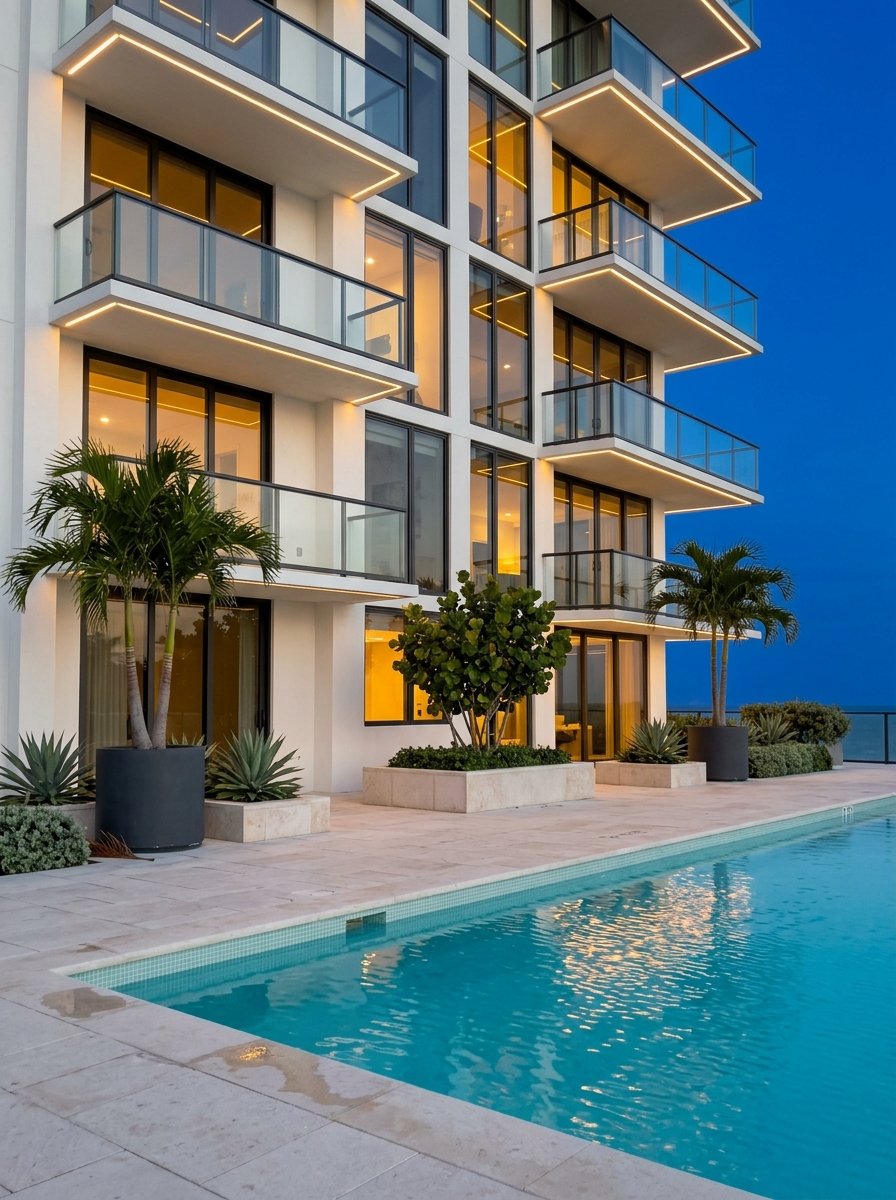
If you’re dreaming about a vacation condo on Siesta Key, it’s easy to get pulled in by Gulf views, beach access, and that laid-back island feel. But the condo that looks perfect online may not fit how you actually plan to use it. Before you buy, it helps to understand how Siesta Key’s different areas, condo rules, building finances, and flood factors can shape your experience and your costs. Let’s dive in.
Siesta Key Location Matters More Than You Think
On Siesta Key, location is not just about scenery. It also affects your daily routine, the pace of the area, and how well a condo fits your goals as a second home or vacation property.
The island has a few distinct stretches, and each one offers a different feel. In many cases, the best condo is the one that matches your intended use, not simply the one with the lowest price or the best balcony view.
North End and Siesta Village
The north end is the island’s social hub. Siesta Village is known as the heart of the island’s social life, and nearby Siesta Beach offers public parking, concessions, and a free trolley connection to the village and downtown Sarasota.
If you want a more active vacation rhythm, easy walkability, and quick access to restaurants and beach activity, this area may feel like the best fit. For many buyers, that convenience carries a premium.
Crescent Beach and Mid-Key
Crescent Beach offers a quieter setting. It is known for a more secluded feel, sunset views, and access to Point of Rocks for snorkeling.
If you want strong beach access without being in the center of the busiest activity, mid-key can make a lot of sense. Many buyers looking for a lower-key second home focus here for that reason.
Turtle Beach and the South End
The south end near Turtle Beach has a more nature-oriented character. Sarasota County notes that Turtle Beach Park includes beach access, a boat ramp, kayak launches, a fishing pier, a playground, and a mangrove lagoon setting.
If your ideal getaway includes paddling, boating, or a less commercial setting, this stretch may line up better with your lifestyle. It often appeals to buyers who want a quieter base on the island.
Match the Condo to Your Intended Use
Before you tour units, get clear on how you plan to use the property. A vacation condo can serve very different goals, and those goals should guide your search.
For example, a condo that works well as a personal seasonal retreat may not work as well for rental flexibility. A building that feels perfect for lock-and-leave ownership may have costs or rules that make it less appealing for income-producing use.
Ask yourself questions like these:
- Will you use it mostly for personal vacations?
- Do you want the option to rent it out?
- Are you looking for a quieter setting or a more social one?
- Do you want to walk to dining and beach access?
- Will you need easy remote ownership and low-maintenance living?
When you answer those questions first, your search gets much more focused.
Condo Documents Matter as Much as the Unit
On Siesta Key, buying the right condo is often more about the building than the interior finishes. That is especially true in Florida, where association records, reserve planning, and inspection requirements can affect your costs and comfort level.
For a resale condo, Florida law gives you the right to receive key documents at the seller’s expense. These include the declaration, articles of incorporation, bylaws and rules, annual financial statement and budget, milestone inspection summary if applicable, the most recent structural integrity reserve study or a statement that none has been completed, turnover inspection report if applicable, the FAQ sheet, and a governance form.
Review the Full Association Picture
It is important to read beyond the listing description. Florida law requires associations to maintain official records such as meeting minutes, current insurance policies, contracts, budgets, audits, reserve studies, inspection reports, and building permits.
Those records must be made available within 10 working days of a written request, and the association may provide electronic access. That makes it easier to review a building carefully, even if you are buying from out of town.
Understand Milestone Inspections and Reserve Studies
For buildings that are three stories or higher, Florida requires a milestone inspection by the year the building turns 30 and then every 10 years after that. The state also requires a structural integrity reserve study at least every 10 years.
That reserve study must cover major items such as the roof, structure, fireproofing and fire protection systems, plumbing, electrical systems, waterproofing and exterior painting, and windows and exterior doors. It is designed to create a reserve funding schedule that reaches estimated replacement cost by the end of each component’s useful life.
For you as a buyer, the key takeaway is simple: do not assume a building is financially comfortable just because the unit looks updated. The association file will usually tell a more complete story.
Rental Rules Can Change the Whole Deal
If rental income is part of your plan, this is one of the first issues to verify. On Siesta Key, zoning and condo rules can quickly narrow what is actually possible.
Sarasota County states that homes throughout the county may be rented for more than 30 days. On the barrier islands, only RMF-zoned properties may be rented for less than 30 days, while all other dwelling units must use leases of at least 30 days.
Check Both Zoning and Condo Rules
Even if a property is in a zoning district that allows shorter rentals, the condo declaration or association rules may still limit how often you can rent, what approvals are required, or how guests may use the property.
That means you should confirm two separate things before you make assumptions about rental income:
- The property’s zoning
- The building’s governing documents and rental restrictions
For an investor, those details can make or break the numbers. For a seasonal owner, they still matter because they affect flexibility.
Factor in Tourist Tax
If a unit is eligible for short-term rental use, Sarasota County’s Tax Collector currently publishes a blank tourist tax return at 6 percent. If you are planning any vacation-rental use, that tax should be part of your income and expense analysis.
This is one more reason to underwrite carefully instead of relying on broad rental estimates. Small rule differences between buildings can lead to very different results.
Carrying Costs Go Beyond HOA Dues
Many buyers start with the purchase price and monthly association fee. Those numbers matter, but they are not the full picture.
Carrying costs can also include reserves, special assessments, property taxes, insurance, flood insurance, utilities, and possibly management or cleaning costs if you plan to rent the unit. Florida law also assesses each condominium parcel separately for ad valorem taxes and special assessments.
Understand Insurance Responsibilities
Florida law generally provides that the association’s master policy covers condominium property and common elements. At the same time, unit owners are typically responsible for interior items excluded from the association policy.
The condo declaration must also specify whether hurricane protection is the responsibility of the owner or the association. That is a detail you will want to clarify early, especially on a barrier island.
Flood Exposure Should Be Checked Early
Because Siesta Key is a barrier island, flood review should be part of your early due diligence, not something left until the end. Sarasota County updated its flood maps on March 27, 2024, and those updates can affect both insurance underwriting and premium costs.
The county explains that Zone VE is the coastal high-hazard flood zone with storm-wave hazards. It also notes that flood insurance is required for buildings in the Special Flood Hazard Area when there is a federally backed mortgage.
A smart move is to request a flood insurance quote early in the process. That can help you avoid surprises and better understand the true monthly cost of ownership.
Buying From Out of Area Is Very Doable
Many Siesta Key condo buyers shop remotely, especially if the property will be a seasonal home. Florida’s condo rules make it easier to review important documents before you travel for inspections or final signing.
If requested in writing, a buyer may extend closing by up to 7 days after receiving the current milestone summary, turnover inspection report, or most recent structural integrity reserve study. Combined with the association’s ability to provide electronic records, this gives you time to review key building information before closing.
A Smart Remote-Buyer Sequence
If you are buying from another city, state, or country, it helps to follow a clear order of operations:
- Confirm the property’s zoning and whether it fits your rental goals.
- Request the condo disclosure packet.
- Review the official association records and insurance information.
- Check the flood map and get an insurance quote.
- Schedule the unit inspection and closing steps.
This process can help you make a better decision with fewer last-minute issues.
What Matters Most on Siesta Key
On Siesta Key, the search is rarely just about finding a beautiful unit. It is about finding a building, location, and rule set that support how you actually want to own the property.
The north end, Crescent Beach, and the south end each offer a different lifestyle. But in many cases, the bigger decision points come down to association health, inspection history, reserve planning, rental restrictions, insurance structure, and flood exposure.
When you look at all of those pieces together, you are much more likely to buy a vacation condo that feels good not just on day one, but for years to come.
If you want help narrowing down the right Siesta Key condo for your goals, Tyler Hahne offers practical, local guidance for second-home buyers, investors, and relocating clients across Sarasota.
FAQs
What should you check before buying a vacation condo on Siesta Key?
- You should review the location, intended use, condo association documents, rental restrictions, insurance responsibilities, carrying costs, and flood exposure before moving forward.
What are the main areas of Siesta Key for condo buyers?
- Condo buyers often look at the north end near Siesta Village for walkability and activity, Crescent Beach for a quieter beach setting, and the south end near Turtle Beach for a more nature-oriented environment.
Can you rent out a condo on Siesta Key for short stays?
- On Sarasota County barrier islands, only RMF-zoned properties may be rented for less than 30 days, and you also need to confirm the condo association’s own rental rules.
What condo documents do Florida buyers receive in a resale purchase?
- Florida buyers are entitled to receive documents such as the declaration, bylaws and rules, annual financial statement and budget, milestone inspection summary if applicable, reserve study information, FAQ sheet, and certain other governance and inspection materials.
Why do flood maps matter when buying a Siesta Key condo?
- Flood maps matter because Sarasota County’s updated maps can affect insurance requirements, underwriting, and premium costs, especially for properties in high-hazard flood zones.
Is it possible to buy a Siesta Key condo remotely?
- Yes. Associations can provide records electronically, and Florida law allows a buyer to extend closing by up to 7 days after receiving certain key building documents if the request is made in writing.